
The Author's Guide to Mastering Digital Voice Technology Without Losing Your Soul
When it comes to the world of audiobooks, it is only natural to feel a sense of hesitation. We have all heard those early, robotic attempts at automated reading: the ones that stripped the life right out of the narrative. But the landscape has shifted. Today, digital voice technology has reached a level of sophistication that allows it to act as a partner in your creative journey, rather than a replacement for it.
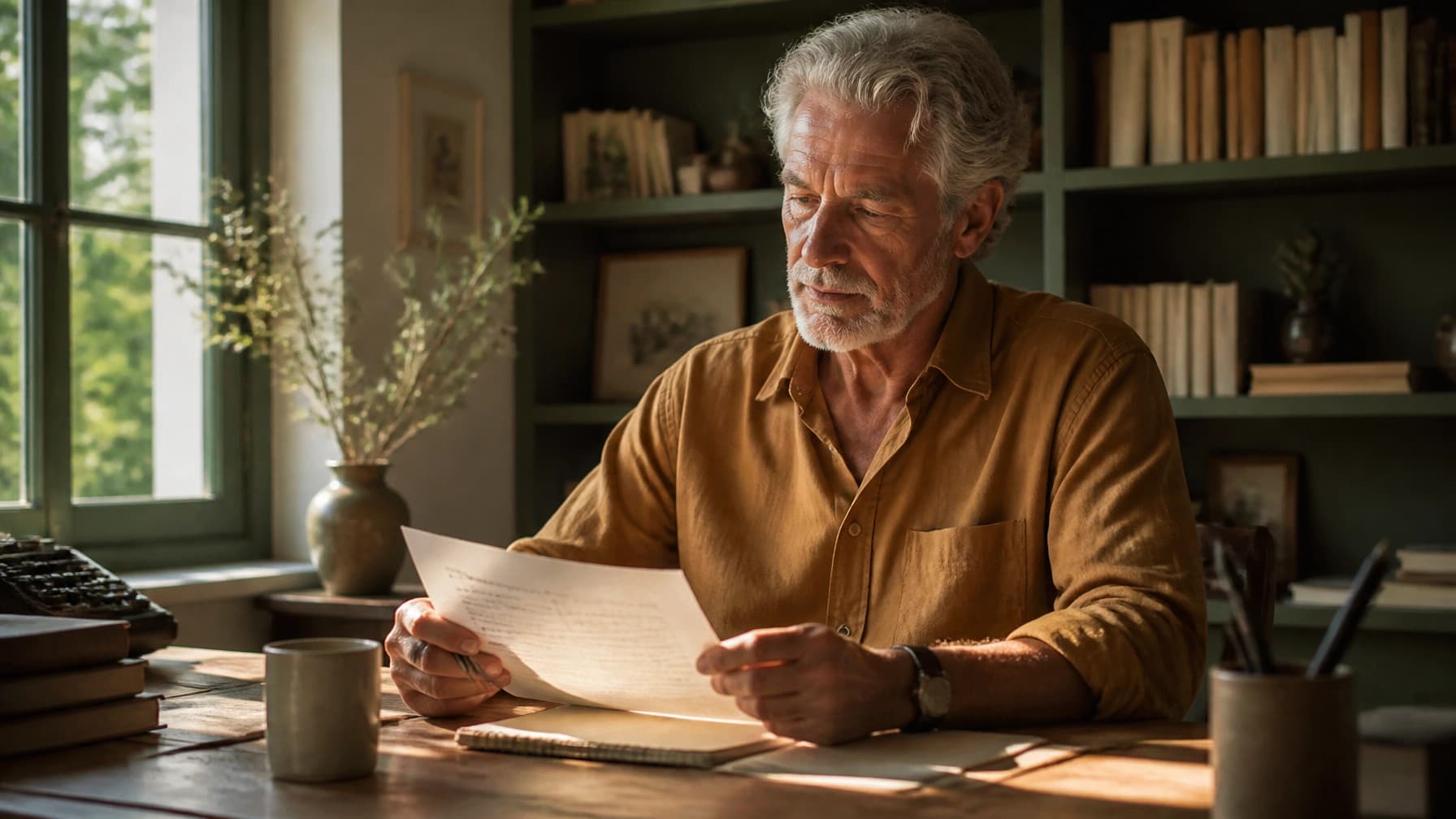
For an author, a book is more than just a collection of words; it is a piece of your soul bound in digital or physical form.
At Lama Mani, we believe that every writer deserves to see their work reach its full potential. This guide is designed for the modern author who values their artistic integrity but recognises the immense opportunity that digital narration provides. Here is how you can transform your manuscript into a polished, professional audiobook while keeping its heart and soul intact.
The Shift to Digital Narration: Why Now?
For many years, the barrier to entering the audiobook market was prohibitively high. Between hiring a narrator, renting a professional studio, and weeks of post-production, the costs could easily run into the thousands. For independent authors or those looking to revive a deep backlist, the numbers simply didn't add up.
Digital narration has changed the equation. By using advanced neural voice synthesis, we can now create audio that resonates with the same warmth and nuance as a human performer. It is not about "robot voices"; it is about digital voice technology that understands pace, emphasis, and emotion.
This shift allows you to:
Revive Your Backlist: Give new life to older titles that have been sitting in text-only formats.
Reach New Audiences: Connect with "audio-first" readers who consume stories during their morning commute or while gardening.
Maintain Control: You are the director. You choose the voice, the tone, and the final output.
Casting the Right Digital Voice
One of the most common fears authors have is that a digital narrator won't "get" their characters. The key to maintaining your artistic integrity lies in the selection process. When you use an intuitive platform, you aren't just clicking a button; you are casting a performance.

1. Match the Genre to the Texture
A gritty crime thriller requires a different vocal texture than a light-hearted contemporary romance. When exploring our library of narrators, look for voices that carry the "weight" of your genre. A deep, slightly gravelly voice might suit a noir detective, while a bright, melodic tone is perfect for non-fiction or uplifting prose.
2. Character-Specific Assignments
One of the most powerful features of modern digital narration is the ability to assign different voices to specific characters. This prevents the "monotone" effect and allows your dialogue to truly pop. By choosing a distinct digital voice for your protagonist and another for your antagonist, you create a rich, immersive experience that honours the complexity of your writing.
3. Listen for the "Human" Element
The best digital voices today are indistinguishable from human narrators to the casual listener. In fact, we’ve even explored how digital voices have fooled those closest to us. Look for voices that capture the subtle breaths and pauses that make speech feel natural.
The No-Studio-Required Workflow
The beauty of this technology is the "no-friction" approach. You no longer need to coordinate schedules with a narrator or worry about the acoustics of a recording booth. Your sanctuary remains your sanctuary.

To ensure the final result feels professional and polished, follow this streamlined process:
The Clean Manuscript: Ensure your manuscript is free of typos and formatting quirks. Digital narrators read exactly what is on the page, so a clean "script" is essential.
Rapid Processing: Use high-speed engines like the one at Lama Mani to turn your chapters into audio in minutes. This allows for immediate feedback.
The Proof-Listen: This is where your integrity shines. Listen to the generated audio with a critical ear. Does the emphasis land where you intended? If a specific word sounds slightly off, you can adjust the spelling phonetically to guide the digital narrator.
Refinement: If a chapter doesn't feel quite right, you can regenerate it with a different voice or a slightly adjusted pace. The cost-effectiveness of word-based billing means you can afford to iterate until it is perfect.
For a deeper dive into the technical side, you might find our guide on creating a professional audiobook in five minutes particularly useful.
Protecting Your Artistic Integrity
Using digital voice technology does not mean "outsourcing" your art. It means using a tool to amplify it. To keep your "soul" in the work, stay involved in the following ways:
Transparency with Your Readers
The modern reader appreciates honesty. Be open about your use of digital narration. Many authors include a note in their descriptions like, "Narrated using state-of-the-art digital voice technology to bring this story to life at an accessible price." This builds trust and positions you as a forward-thinking creator.
Focus on the Narrative Arc
Digital tools are excellent at maintaining a consistent tone, but they rely on your writing to provide the emotional cues. Use "orienting" words and clear dialogue tags to help the digital narrator (and the listener) navigate the story.
Quality Over Everything
Never settle for "good enough." The goal is to create an experience that the listener forgets is digital. If a voice doesn't resonate with you, keep looking. If a sentence feels clunky in audio, revise the text. Your name is on the cover, and the audio should reflect the high standard of your written word.

The Empowered Author
Ultimately, mastering digital voice technology is about empowerment. It is about taking the heart you poured into every page and ensuring it isn't silenced by the high costs of traditional production. It is about making your work accessible to the visually impaired, the busy professional, and the global audience of listeners.
By embracing digital narration, you aren't losing your soul; you are giving it a new way to speak. The bridge between your creative effort and a professional result has never been shorter.
Are you ready to hear your story come to life? The journey from final draft to finished audiobook is just a few clicks away. Trust your craft, embrace the technology, and let your voice be heard.