
Spotify Vs Audible: Which Is Better For Your Audiobook?
In 2026, a book isn’t just something people read; it’s something they experience. And for most modern readers, that experience happens through headphones. The hurdle, of course, has always been the studio. The thousands of pounds for a professional narrator, the weeks of scheduling, and the endless back-and-forth on "punch-ins" and "pickups." It’s enough to make any independent author want to retreat back into their writing cave.
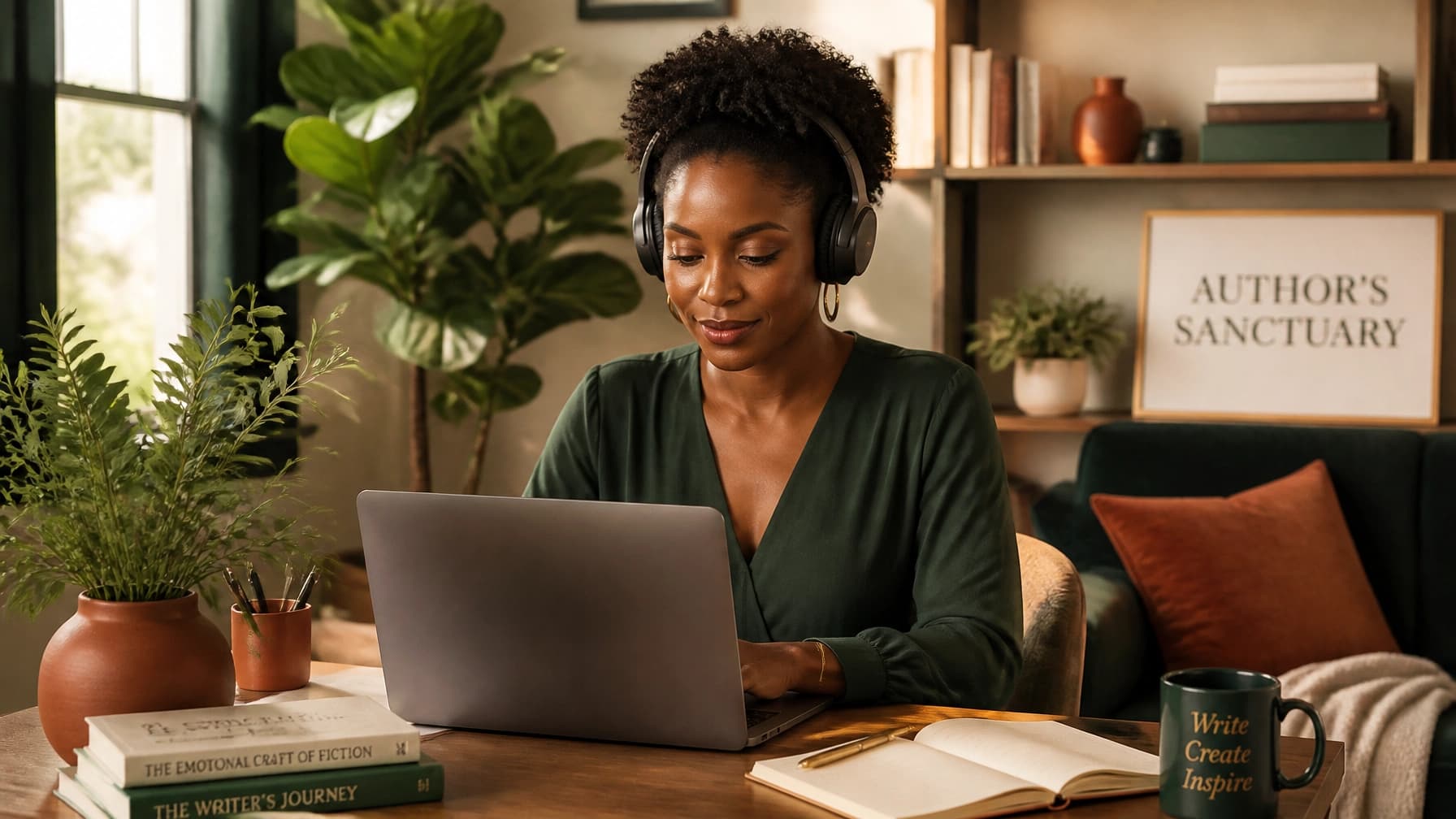
Enter the age of the AI-powered audiobook. With platforms like Lama Mani, the dream of "audio magic" is no longer locked behind a four-figure budget. But once you’ve created your professional audiobook in five minutes, where should you host it?
The two giants, Spotify and Audible, have very different ideas about how AI voices should live on their platforms. Let’s break down the 2026 landscape so you can choose the sanctuary that best fits your work.
The Spotify Shift: The AI-First Darling
If Audible is the traditional, slightly stiff grand library of the audio world, Spotify is the vibrant, tech-forward creative hub. Over the last couple of years, Spotify has leaned hard into AI. Through their acquisition and rebranding of Findaway Voices into INaudio by Spotify, they’ve made it incredibly simple for indie authors to join the audio revolution.
Spotify doesn’t just tolerate AI; they’ve built a home for it. They recently launched integrated creation tools that allow authors to generate audio directly on the platform. However, for authors who want that high-end, "human-like" quality that avoids the "uncanny valley," most still prefer to use a specialist service like Lama Mani and then upload the finished files.
Why authors love Spotify in 2026:
No-Friction Distribution: You can upload your AI-narrated files and have them live across the globe in days, not weeks.
The Streaming Model: Spotify’s per-listen royalty model means you get paid when people actually listen, which is fantastic for building a following.
Global Reach: With hundreds of millions of users, Spotify is often the first place new listeners find your work.

The Audible Reality: Prestige with a Side of Gatekeeping
Audible (and its production arm, ACX) remains the "Gold Standard" for many. It is the largest marketplace for audiobooks in the world. But here’s the rub: Audible has a complicated relationship with AI.
In 2026, the standard ACX submission process, the one most indie authors use, is still technically geared towards human narration. While they have launched "Virtual Voice" programs via KDP, these are often restricted to certain territories and don't always offer the same distribution reach as a "real" Audible title.
The secret "pro" move? If you want your AI-narrated masterpiece on Audible, you don't go through ACX directly. You use an aggregator like INaudio or Author's Republic. These platforms bridge the gap, allowing your AI-narrated work to sit alongside the bestsellers in the Audible catalog, though usually at a lower royalty rate than if you were "Audible Exclusive."
Head-to-Head: Reach, Royalties, and Rules
10 Things You Must Know About Platform Rules
Before you hit "upload," you need to know the rules of the road. The platforms have become much stricter about how AI content is presented. Here are ten essentials for 2026:
Mandatory Disclosure: Both platforms now require you to tick a box confirming your audio is AI-generated. Hiding it can lead to your account being flagged.
Metadata Accuracy: You must list the narrator correctly. Usually, this means "Narrated by [AI Voice Name]" or simply "Digital Voice."
Technical Specs are Non-Negotiable: Even if an AI made it, it must meet professional standards (RMS levels, noise floor, and bit rates). Our AI voice that fooled my mom article explains how quality makes the difference.
The "7-Year Itch": If you go exclusive with Audible, you are locked in for seven years. Think carefully before you commit your AI rights for that long.
Watermarking: Audible has begun testing "AI Watermarks" to ensure voices are licensed. Using bootlegged or "ripped" voices is a fast track to a ban.
Cover Art Harmony: Your cover art should look professional. Low-quality AI covers combined with AI voices can make your work look "spammy."
Copyright Ownership: Ensure your AI provider (like Lama Mani) gives you full commercial rights. If you don't own the output, you can't sell it.
The Human Element: Platforms still love "Hybrid" projects. Adding a human-recorded introduction or "Author's Note" can sometimes bypass stricter AI filters.
Subscription vs. A La Carte: Spotify pays differently for "Premium" listeners than for one-off sales. Understand your royalty report!
Global Variation: Rules in the UK, US, and EU are diverging. What works on Spotify UK might have different metadata requirements in Germany.

The Lama Mani Advantage: Your Bridge to Professional Results
Whether you choose the open arms of Spotify or the prestigious (if picky) catalog of Audible, the quality of your audio is what will ultimately resonate with your listeners.
At Lama Mani, we don’t just "convert text." We craft an experience. Our AI voices are chosen for their rich, lifelike quality: the kind that makes a listener forget they’re listening to an algorithm and start listening to your story. Because we provide you with fully mastered, high-quality audio files, you have the power to distribute wherever you choose. No studio, no friction, just your words brought to life.

Conclusion: Empower Your Creative Journey
The choice between Spotify and Audible isn’t about which is "better": it’s about where your audience lives. Spotify offers the easiest, most modern path for the AI-friendly author, while Audible remains the titan of the industry that requires a bit more navigation to conquer.
You’ve already done the hard part. You’ve written the book. Now, let the "audio magic" begin. Whether you're working from a minimalist office or a beach in Bali, the tools to reach millions are at your fingertips.
Ready to hear your words come to life? Transform your manuscript into a professional audiobook with Lama Mani today.